
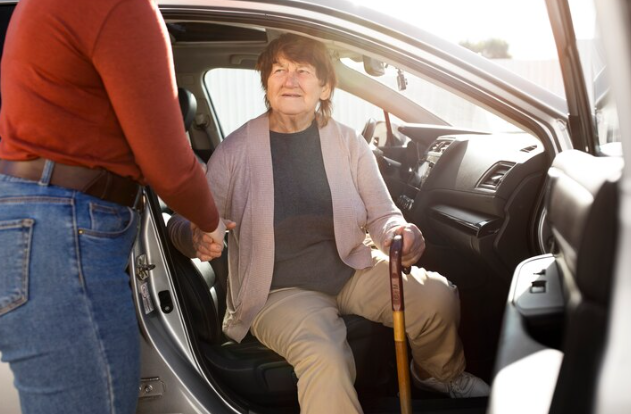
As society continues to age, the need for assisted mobility services grows exponentially. Many elderly individuals and people with disabilities face significant challenges in their daily lives, particularly when it comes to transportation. The concept of door-to-door transportation emerges as a crucial solution to this problem, ensuring that those who require assistance can travel safely and independently. By providing a seamless transition between home and destination, these services not only facilitate mobility but also play a vital role in fall risk reduction. Herein lies a discussion of how these services enhance patient safety and support independent living for the elderly and disabled.
Understanding Assisted Mobility Services
Assisted mobility services encompass a range of options designed to aid individuals in need of transportation. This includes not only those who are elderly but also those with disabilities. Various types of services are available, tailored to meet the distinct needs of each user. Typical features of these services may include:
- Personalized Transportation: Transportation tailored to specific medical or physical needs.
- Companion Services: Often, a caregiver travels with the individual for added support.
- Accessibility Features: Vehicle modifications ensure comfort and safety, such as ramps and seat belts designed for special needs.
The primary goal of assisted mobility services is to provide safe transportation to and from various locations, including medical appointments, social events, and grocery shopping. The personal touch that often accompanies these services makes a world of difference, especially for individuals who struggle with mobility issues.
Enhancing Patient Safety Through Safe Transportation
At its core, enhanced patient safety is one of the most significant advantages of door-to-door transportation. When elderly individuals or those with disabilities travel alone, they may find themselves at a higher risk of accidents or falls. The availability of trained caregivers or companions significantly reduces these risks. Since these professionals are adept at handling mobility challenges, their presence provides a sense of security to the passengers. For instance, when a caregiver assists an elderly person in getting in and out of a vehicle, they minimize the chances of slips or falls—a common occurrence when transitioning between surfaces of different heights.
Moreover, many assisted mobility services conduct thorough assessments of their passengers’ needs prior to transportation. These assessments often involve a detailed questionnaire that identifies physical limitations and specific requirements. Based on this information, transportation providers can offer appropriate vehicles, ensuring that every ride is tailored to the individual’s unique conditions. This attention to detail reduces the likelihood of accidents, thereby enhancing overall safety.
Fall Risk Reduction: Strategies Through Assisted Mobility Services
With falls being a leading cause of injury among the elderly, understanding how door-to-door transportation minimizes these risks is essential. Assisted mobility services embody a proactive approach to fall prevention. By implementing several strategies, they not only bolster safety but also promote overall well-being among their users. Here are some effective strategies employed:
- Regular Training for Caregivers: Staff undergo regular training to stay updated on best practices and ensure they are equipped to handle emergencies.
- Customized Transportation Plans: Individual assessments inform tailored transportation plans, accommodating all necessary precautions.
- Falling Prevention Techniques: Caregivers are trained in safe lifting techniques, ensuring that they can provide the right support during transitions.
Additionally, there is an emphasis on creating an environment that fosters independent living. Many elderly individuals thrive when they are given the opportunity to participate in community activities. As such, door-to-door transportation allows them to engage socially, reducing feelings of loneliness and isolation associated with limited mobility. By facilitating independent living, the users become emotionally and mentally healthier, further lowering the risk of falls stemming from anxiety or lack of physical activity.
Accessibility and Its Role in Fall Risk Management
Accessibility goes hand in hand with effective fall risk management. Many individuals underestimate the impact of accessible environments on transportation safety. For example, assisted mobility services often utilize vehicles equipped with features that can significantly reduce risks. These may include low floors for easy entry and exit, wheelchair-accessible ramps, and secure seating that assists in preventing slides during transit. All these elements work together to create a safer travel experience.
For families and caregivers seeking a trusted partner in this journey, Divine Leisure & Activity Center delivers compassionate, fully accessible door-to-door transportation solutions purpose-built to keep elderly and disabled individuals safe, independent, and connected to the world around them.