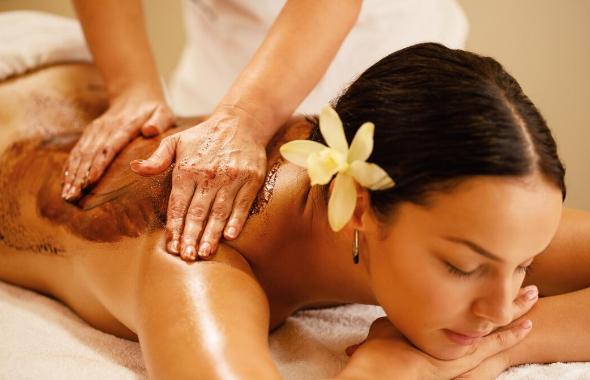
The quest for smooth skin has captivated many, leading individuals to explore various body treatments promising visible improvement in skin texture. In a world increasingly focused on appearance, the right strategies can transform your skin health and appearance in just a few weeks. Innovations in skincare science have paved the way for treatments that not only target surface imperfections but also promote deeper skin renewal processes. This article dives into effective body treatments that can enhance skin texture in four weeks, emphasizing the importance of exfoliation, hydration, and consistent routines.
Understanding Skin Texture and its Importance
Skin texture refers to the surface quality of the skin, which can be influenced by factors such as age, sun exposure, and overall skincare routines. Healthy skin should feel smooth and firm, devoid of bumps, rough patches, or dryness. A flawless texture contributes significantly to a youthful appearance, highlighting the importance of maintaining it through effective treatments. But how does one achieve and maintain such an ideal?
As we neglect our skin, various issues can arise, leading to uneven texture characterized by dryness, flakiness, or even acne scars. The body’s natural cell turnover slows down with age, resulting in the accumulation of dead skin cells. This buildup not only compromises skin texture but can also lead to clogged pores and further skin imperfections. With consistent care focused on skin renewal and hydration, these challenges can be effectively addressed.
Investing in body treatments is essential, particularly for individuals experiencing changes in their skin due to hormones, lifestyle, or environmental factors. Treatments that promote skin renewal can accelerate cell turnover, enhance hydration, and result in visibly smoother skin. Strategies such as incorporating regular exfoliation and moisturizing can yield remarkable results within a four-week timeframe.
Exfoliation: The Cornerstone of Improved Skin Texture
Exfoliation serves as a critical first step in any effective skincare regimen targeting skin texture. By removing dead skin cells from the surface, this process unveils fresh, rejuvenated skin beneath. There are two primary types of exfoliation: physical and chemical. Understanding their differences can help individuals choose what works best for their skin type.
Physical Exfoliation
Physical exfoliation involves the use of scrubs or tools that manually slough off dead skin cells. Ingredients such as sugar, salt, and microbeads have been popular for this purpose. However, it is crucial to approach physical exfoliation with caution. Over-exfoliation can lead to skin irritation and sensitivity, ultimately exacerbating textural issues. Therefore, limiting physical exfoliation to once or twice a week is advisable.
Chemical Exfoliation
Chemical exfoliants, on the other hand, use acids such as alpha-hydroxy acids (AHAs) and beta-hydroxy acids (BHAs) to dissolve dead skin cells. AHAs, like glycolic acid, encourage moisture retention, making them particularly effective for dry skin. BHAs, such as salicylic acid, penetrate deeper, helping to clear clogged pores and prevent breakouts. Regular use can lead to significant improvements in skin texture, refining pores, and boosting overall radiance.
Consistency is key when it comes to exfoliation. By integrating chemical exfoliants into your weekly regime, skin texture can begin to improve significantly within just a month. Many individuals report that this simple yet effective step not only improves skin’s smoothness but also enhances the efficacy of subsequent treatments, such as moisturizing and serums.
The Role of Hydration in Skin Texture Improvement
Maintaining proper skin hydration is vital for achieving and sustaining a smooth skin texture. Hydration allows the skin to function optimally and can minimize the appearance of fine lines and cracks, which can contribute to an uneven surface. Incorporating moisturizers rich in hydrating ingredients such as hyaluronic acid, glycerin, and ceramides is essential.
Moisturizing Techniques
Applying moisturizers immediately after exfoliating is a game-changer. It locks in moisture at the moment when skin is most receptive to it. Ideally, look for moisturizers that cater specifically to your skin type. For instance, light, water-based gels might suit oily skin, while cream-based formulas might be better for dry skin. Regular practice can lead to a substantial transition in skin feel and texture over four weeks.
Moreover, the inclusion of a nightly serum can amplify moisture retention. Ingredients such as vitamin E and squalane nourish and protect the skin barrier, aiding in moisture maintenance. Over time, this commitment to hydration can yield a beautifully supple and revitalized skin texture.
Incorporating these moisturizing habits into one’s daily routine can effectively combat dryness while promoting overall skin health.
In addition to at-home methods, professional body treatments can deliver impressive results for those seeking advanced skin texture improvement. Options like chemical peels, microdermabrasion, and laser treatments are gaining popularity due to their effectiveness and impressive outcomes.