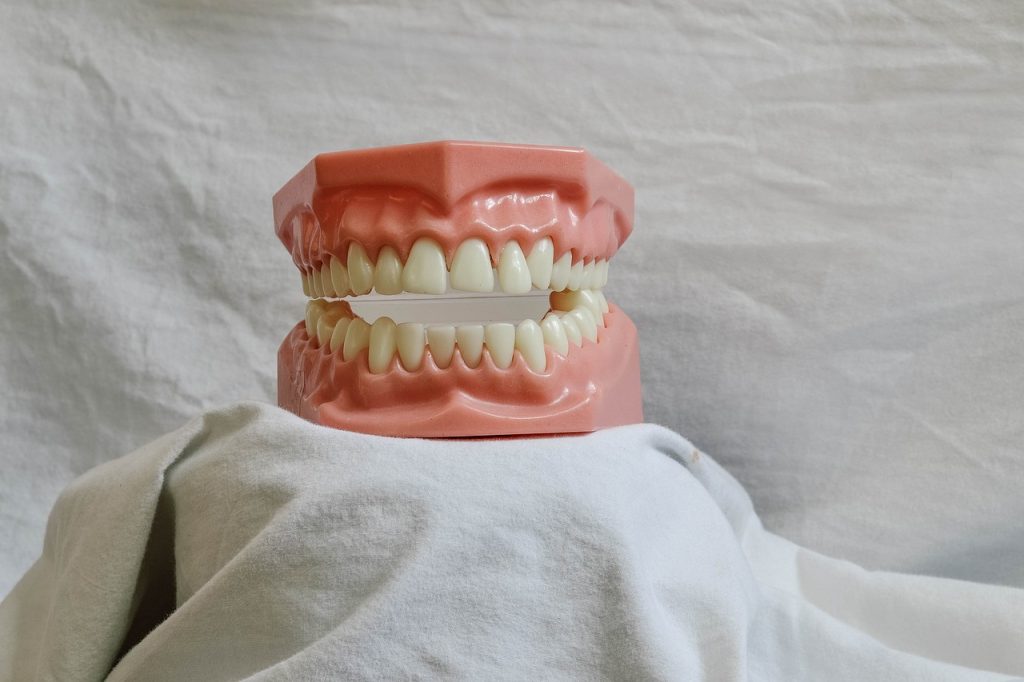
For individuals who have experienced the loss of natural teeth due to age, decay, or injury, dentures can be a transformative solution. They restore not only the aesthetic appearance of a smile but also improve speech and eating capabilities. However, these dental appliances can present challenges that may affect the quality of life for wearers. Navigating these common denture issues effectively requires knowledge and proactive measures. From discomfort and fit issues to concerns regarding care and maintenance, understanding these problems arms denture users with the information needed to enjoy their benefits fully.
Common Denture Fit Issues: Recognizing and Addressing Discomfort
A frequent challenge faced by denture wearers is the fit of their devices. Over time, changes in the jawbone’s shape can lead to a loss of snugness in dentures. This often results in sore spots, gum irritation, and difficulties while eating or speaking, causing increased discomfort.
Understanding the Causes of Poor Fit
Several factors contribute to the improper fit of dentures. These include:
- Jawbone Changes: Natural bone resorption can occur when teeth are lost, leading to altered shapes in the jaw.
- Weight Loss or Gain: Changes in body weight can also affect how dentures sit in the mouth.
- Aging: The mouth undergoes various changes with age, impacting denture fit.
Being aware of these factors can help denture wearers recognize when to seek professional assistance for adjustments.
Solutions for Improving Denture Fit
If discomfort arises, the first step should be to consult a dentist or prosthodontist to schedule an adjustment appointment. Some of the recommended solutions include:
- Denture Relining: This process adjusts the inner surface of the denture, improving comfort and fit.
- Rebasing: Involves replacing the base of the denture while keeping the existing teeth in place for a better fit.
- Regular Check-Ups: Routine visits to a dental professional can preemptively address fit concerns and monitor the condition of the dentures.
Table: Common Fit Issues and Recommended Solutions
| Fit Issue | Recommended Solution |
|---|---|
| Sore Spots | Denture relining |
| Gum Irritation | Consulting a dentist for adjustments |
| Slippage During Eating | Using denture adhesives |
Adjustment Challenges: Overcoming Difficulties in Eating and Speaking
The adjustment phase after receiving new dentures can be intimidating for many wearers. Some individuals may face difficulties when it comes to eating certain types of food or speaking clearly, which can undermine self-confidence.
Tips for Eating with New Dentures
Here are practical tips for navigating food consumption while adjusting to dentures:
- Start with Soft Foods: Initially consuming soft foods will ease the transition.
- Smaller Bites: Taking smaller bites minimizes discomfort while chewing.
- Gradual Progression: Slowly introduce harder foods as comfort improves.
These steps can make it easier for individuals to regain their eating habits and transition to normal eating patterns.
Improving Speech Clarity
Just as with eating, speaking may require practice to adapt to new dentures. Here are effective strategies:
- Practice Reading Aloud: Reading out loud can help familiarize oneself with the new appliance.
- Tongue Placement Exercises: Focusing on tongue positions and articulation will assist with clearer speech.
- Mirroring Technique: Looking in the mirror while practicing allows for visual feedback on mouth movements.
Table: Tips for Eating and Speaking with Dentures
| Activity | Recommended Strategy |
|---|---|
| Eating | Start with soft foods, avoid sticky textures |
| Speaking | Practice reading aloud and using tongue exercises |
Managing Gum Irritation and Sore Spots Effectively
Gum irritation and sore spots can develop if dentures are not fitting properly or when they rub against the gums. This discomfort negatively impacts the overall wearing experience.
Why Gum Irritation Occurs
The friction caused by the dentures against the soft tissues of the mouth can lead to irritation. Factors contributing to this problem may include:
- Improper Fit: As previously mentioned, poorly fitting dentures can cause rubbing.
- Lack of Oral Hygiene: Insufficient cleaning can lead to plaque buildup, exacerbating irritation.
- Adjustment Needs: As the mouth changes, requiring ongoing adjustments becomes increasingly crucial.
Steps to Alleviate Gum Discomfort
To mitigate irritation, consider the following steps:
- Consult a Dental Professional: Never try to adjust your dentures yourself; always seek professional help.
- Maintain Oral Hygiene: Regular cleaning and proper hygiene practices keep gum health intact.
- Remove Dentures Overnight: Allowing the gums to rest helps reduce inflammation and irritation.