
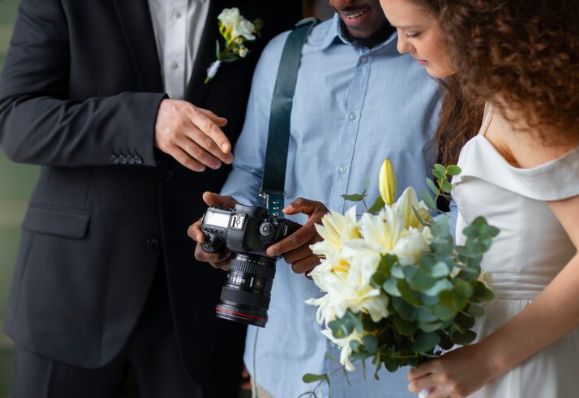
Wedding photography is an art form that encapsulates the magic of the day through carefully composed images. However, the key to achieving stunning photographs often lies in the ability to manipulate and control lighting. Whether it’s the golden hour glow or the dramatic ambiance of a bustling reception, mastering various lighting setups can transform even the most ordinary venues into extraordinary backdrops. In this exploration, we’ll delve into essential lighting techniques that help create unforgettable wedding memories, regardless of the location.
How Lighting Affects Wedding Photography
The impact of lighting on wedding photography cannot be overstated. It influences everything from mood to composition, drawing attention to the intimate moments between the couple. For instance, natural light may imbue a scene with warmth, offering a sense of intimacy, while artificial light can create striking contrasts that highlight details like floral arrangements and decadent decorations. Understanding how to harness both natural and supplemental light is crucial for any photographer aiming to capture the essence of a wedding day.
Cinematic Storytelling Through Light
One prominent technique used by experienced photographers is cinematic storytelling. This involves creating a narrative within the images by carefully considering lighting arrangements. For example, during a wedding ceremony, utilizing backlighting can enhance the couple’s silhouette against a vibrant sunset, adding drama to the composition. This technique not only captures pivotal moments but also provides a cinematic feel to the photographs.
Essential Lighting Setups for Any Venue
Whatever the venue, certain lighting setups can be easily adapted to various environments. Here are some fundamental methods that can elevate your wedding photography:
- Natural Light: Utilize the natural light available at the venue, optimizing your shots during the golden hour.
- Flash Photography: Implement on-camera and off-camera flash techniques to control exposure and create interesting effects.
- LED Panels: Use portable LED lights for flexibility in location and style. They can serve as key or fill lights to brighten specific areas.
- Reflectors: Consider employing reflectors to bounce light back onto subjects, filling in shadows and enhancing features.
Transforming Spaces with Light
Even the most ordinary locations can be brought to life with inventive lighting. For instance, a simple banquet hall can be transformed into a romantic setting with the strategic placement of string lights or soft LED uplighting. These enhancements create a dreamy atmosphere, making the photographs feel more enchanting. Photographers should assess the venue ahead of time to identify potential areas for lighting improvements.
| Lighting Technique | Best Use | Equipment Needed |
|---|---|---|
| Natural Light | Outdoor ceremonies or golden hour portraits | Camera, lenses |
| Flash Photography | Indoor receptions, low-light environments | External flash, battery packs |
| LED Panels | Dynamic lighting anywhere, especially during evening events | LED light panels |
| Reflectors | To fill shadows on sunny or harsh-light days | Reflectors, stands |
Combining Photography and Videography
Many couples now look for photographers who offer both photography and videography services. This combination provides a complete visual narrative of the wedding day. When lights are used effectively, they can enhance both still images and moving footage, ensuring that every detail—from the look on the couple’s faces to the ambiance of the celebration—is preserved. Collaborating closely with a videographer can yield remarkably cinematic results.
Planning for Lighting During the Day
Proper planning is vital to ensure that lighting does not become an afterthought. Prior to the wedding, photographers should scout the venue and create a timeline to maximize the use of natural light during integral moments like the exchange of vows. Understanding the venue’s layout, shadows, and lighting conditions at different times of day will aid in producing stunning images that capture the couple’s journey authentically.
In essence, successful wedding photography relies on a well-thought-out approach to lighting. By mastering these techniques and adapting them to various venues, photographers can create breathtaking imagery that resonates with the emotions of the day. For those looking to enhance their own wedding experiences, consider consulting with professionals who prioritize lighting to bring your special moments to life. For exemplary photography and videography services, explore what Angel’s In Lace has to offer—you won’t be disappointed.