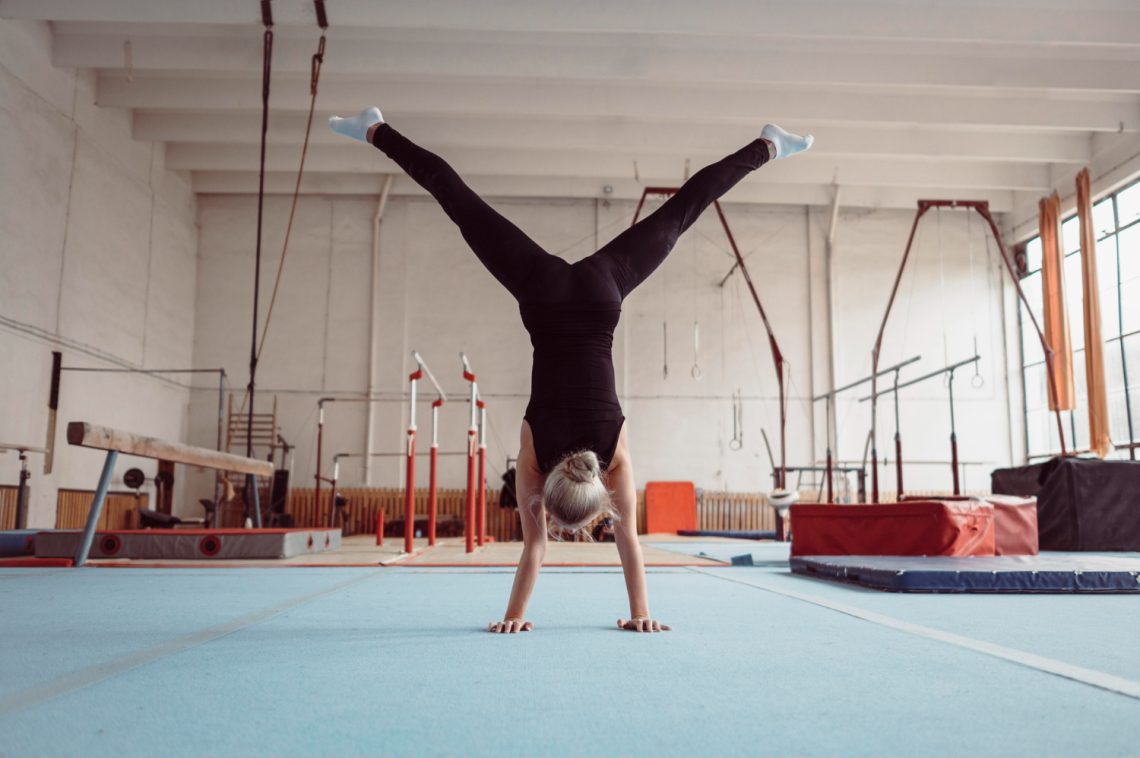
Adult Gymnastics Techniques to Improve Flexibility Safely
In the realm of adult gymnastics, flexibility is not merely an aesthetic attribute; it’s a crucial component of performance and safety. The ability to execute complex movements with grace requires a blend of strength, control, and flexibility. As more adults embark on their gymnastics journey, understanding the nuances of flexibility training becomes essential. This article delves into effective techniques and methodologies designed to enhance flexibility while minimizing the risk of injury. With a focus on safe stretching, mobility exercises, and well-structured warm-up routines, aspiring gymnasts can unlock their full potential while maintaining robust body control.
Why Flexibility is Paramount in Adult Gymnastics
Flexibility serves as the foundation for various gymnastics techniques, impacting everything from basic skills to advanced maneuvers. Athletes who cultivate excellent flexibility are not only able to perform their routines more fluidly but also reduce their risk of injury significantly. The dynamic nature of gymnastics requires athletes to maintain a high level of flexibility to allow for a greater range of motion across different movements.
Furthermore, flexibility enhances an athlete’s performance by allowing for better execution and aesthetic appeal. Judges often evaluate routines based on the fluidity and technicality of movements; hence, a gymnast’s ability to present long, elegant lines becomes vital in competition settings. Without a robust flexibility training regimen, athletes may find themselves struggling to execute spins, twists, and leaps effectively. Improved flexibility can also aid in body awareness and alignment, further contributing to an athlete’s success.
Core Principles of Safe Stretching
Safe stretching techniques are fundamental when it comes to improving flexibility without risking injury. It is essential to distinguish between static and dynamic stretching and when to use each type effectively.
- Static Stretching: This type involves holding a stretch for a prolonged period, typically around 20 to 30 seconds. It’s effective for increasing the length of muscles but should only be performed after the muscles have been warmed up.
- Dynamic Stretching: Involves controlled movements that increase the range of motion and muscle temperature. Dynamic stretching serves as an excellent warm-up before a training session or competition.
- Proprioceptive Neuromuscular Facilitation (PNF): This advanced technique combines stretching and contracting the muscle group being targeted. It can produce even greater increases in flexibility when done correctly.
When integrating these methods, it is crucial to listen to your body. Stretching should never induce pain; rather, it should create a sensation of discomfort that can be managed. Gradually increasing the intensity of stretches over time leads to better results without risking injury.
Developing Effective Flexibility Training Routines
Creating a structured flexibility training routine is vital for maximizing improvement. Here’s a breakdown of components that should be included:
| Component | Description |
|---|---|
| Warm-Up | A sequence of dynamic stretches designed to increase heart rate and prepare muscles for activity. |
| Main Stretching Routine | Combination of static and PNF stretches targeting major muscle groups used in gymnastics. |
| Cool Down | Gentle stretching and mobility exercises to help relax muscles and encourage healing. |
Incorporating these elements into a daily training regimen ensures that flexibility is consistently addressed. A typical session might begin with a 10–15-minute warm-up consisting of leg swings and arm circles, followed by targeted static stretches. It’s important to focus on areas that tend to be tight, such as the hips, hamstrings, and shoulders. Finally, employing a cool-down routine that includes light stretches helps transition the body back to a resting state and assists in recovery.
Fostering Injury Prevention Through Flexibility
Understanding the link between flexibility and injury prevention is crucial. Many injuries in gymnastics occur due to overexertion or inadequate flexibility. Implementing a comprehensive flexibility routine can significantly mitigate these risks. Key aspects include:
- Regular Assessment: Regularly assessing flexibility levels can help in tailoring individual training programs that meet specific needs.
- Balanced Training: Ensure that both strength and flexibility are emphasized in training. Strengthening the muscles surrounding joints can offer stability, thereby reducing injury risks.
- Rest and Recovery: Allowing adequate recovery time is essential. Muscles need time to adapt and grow after intense stretching sessions.
An overall shift towards prioritizing flexibility as part of a holistic approach to training not only enhances performance but also safeguards athletes against potential injuries. Understanding how to implement these strategies effectively can result in substantial long-term benefits. To accelerate your progress safely and receive expert guidance tailored to your level, consider training with Gymnastics Unlimited Australia.


You May Also Like

Top tips to boost your takeout restaurant sales today

Essential Spa Maintenance Tips to Extend Equipment Life