
5 Red Flags When Choosing a Senior Care Facility Near You
Choosing a senior care facility for a loved one is a profound decision, often accompanied by a whirlwind of emotions. As families navigate this delicate process, it’s vital to be equipped with knowledge about potential pitfalls to avoid. Common concerns include care quality, staff qualifications, and the overall environment of the facility. Familiarizing oneself with potential red flags can save families from distress and ensure their elderly loved ones are placed in a safe and nurturing space. Understanding the nuances behind what makes a care facility exemplary requires diligence and attention to detail.
Spotting a History of Violations in Nursing Homes
Navigating the realm of nursing homes requires families to investigate a facility’s past. A history of violations can signify deeper problems within a senior care facility. While all establishments are subject to regulations from state and federal authorities, some consistently fall short of essential standards. Comprehensive online research can be pivotal in unveiling a facility’s track record.
Resources such as Medicare.gov allow families to compare nursing homes by ZIP code, checking the credibility of facilities by looking at their star ratings. These ratings consider various factors, including health inspections and staffing levels. If a facility’s rating is below average, delving into their inspection reports typically reveals concerning details about their operations.
Larger platforms, such as U.S. News Best Nursing Homes or ProPublica’s Nursing Home Search Engine, provide specialized databases that highlight deficiencies and penalties incurred by these facilities. These resources allow prospective residents and their families to identify red flags early on, ensuring the selected facility is committed to maintaining a consistent level of care quality.
| Resource | Description |
|---|---|
| Medicare.gov | Compare nursing homes based on health inspections and staff efficiency. |
| U.S. News Best Nursing Homes | Rates facilities nationwide based on care quality and other metrics. |
| ProPublica’s Nursing Home Search Engine | Highlights regulatory deficiencies and penalties from the past three years. |
Evaluating Severity and Frequency of Violations
Not every violation is of equal importance; however, frequent or severe infractions call for immediate scrutiny. A singular serious incident, such as a resident wandering without supervision, can outweigh numerous minor issues. Families should closely review violation reports to discern patterns which could suggest a facility’s overall management effectiveness.
Equally, inquire about the measures the facility has taken in response to any infractions. Facilities should demonstrate a commitment to improvement and transparency, as a lack of accountability can often exacerbate underlying problems.
High Staff Turnover: A Tell-Tale Sign
The stability of a nursing facility’s staff can provide critical insights into its operational health. High turnover rates are often symptomatic of poor management or employee dissatisfaction. Families should prioritize facilities where staff members exhibit long tenures, as this indicates a healthier working environment.
Engaging with the staff during a visit can provide invaluable insights into their relationship dynamics with residents. Positive interactions, where staff know residents’ names and habitual routines, can enhance the living experience significantly. Observing how personnel treats residents also reflects the broader cultural values of the facility.
Signs of Staff Engagement and Morale
Facilities that foster a caring and engaged staff often see better resident outcomes. Look for signs of a supportive atmosphere, such as staff who are well-groomed and approachable. Conversely, a stressed or rushed staff may suggest chronic issues that could compromise care quality.
The Importance of Resident Independence in Care Facilities
While ensuring safety is paramount, overly restrictive environments can negatively impact residents’ mental health. A lack of independence can lead to feelings of confinement, making it crucial for facilities to strike a balance between safety and personal freedom.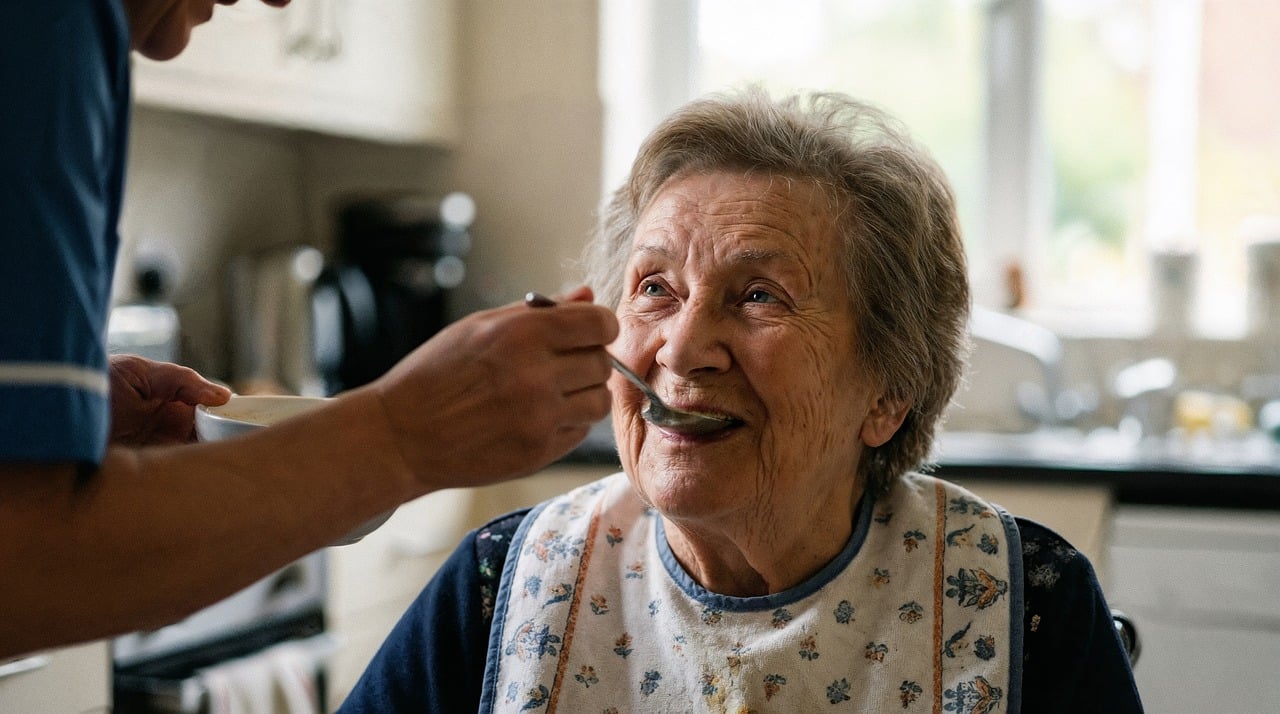
Prospective families should observe how residents interact in communal spaces. Are rooms personalized with photographs or decorations? Are shared areas accessible and equipped with engaging activities? A robust range of independent activities can greatly contribute to overall wellbeing, enhancing resident satisfaction.
Communication and Respect in Care Settings
The manner in which staff communicates with residents can deeply influence their experience. Avoiding patronizing language and ensuring respectful, clear interactions goes a long way in building trust. Facilities that promote equality and dignity among their residents create a more welcoming atmosphere.
Trust Your Instincts: The Power of a Gut Feeling
Visiting a senior care facility and feeling uncertain or uneasy can serve as an important red flag. Intuition can often guide families in the right direction. Pay attention to the overall ambience of the facility during visits.
Assess whether the environment feels clean and organized. Observe staff behavior both toward residents and each other. Do staff members dress professionally? Are residents engaged and participating in activities? If the atmosphere feels unpleasant or disorganized, consider seeking alternatives.
Key Questions to Reflect On During Visits
- Is the facility’s environment clean, neat, and free of unpleasant odors?
- Are staff members respectful, attentive, and engaging with residents?
- Does the overall ambiance feel welcoming, or is it chaotic?
Choosing the right senior care facility is a complex journey that requires vigilance, discernment, and research. By identifying red flags and remaining proactive, families can pave the way for their loved ones to receive the highest quality of care available. For further information on effective practices for elderly care, visit La Edad Prodigiosa for detailed insights.


You May Also Like

Unlocking the Brain’s Potential: Understanding Neuroplasticity and the Anat Baniel Method®

What does an optician do? Essential roles and services explained
