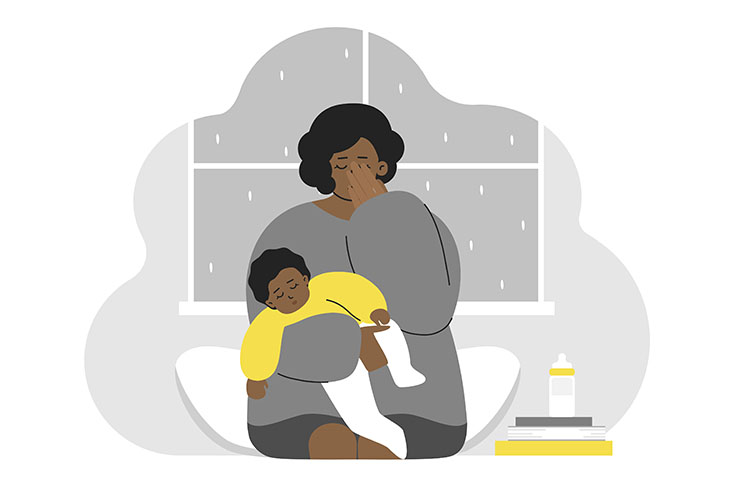

Persistent exhaustion, reduced motivation, and emotional withdrawal can make it difficult to understand what is happening. Depression and burnout share certain symptoms, but they are not identical. Depression Treatment begins with understanding the full picture rather than assuming every period of exhaustion has the same cause.
Understanding the Differences Between Depression and Burnout
Recognizing the distinction can help people obtain appropriate support. Depression Treatment may be relevant when symptoms extend beyond workplace exhaustion or affect multiple areas of life.
What Is Burnout?
Burnout is a state of exhaustion associated with prolonged, poorly managed workplace stress. It may involve feeling depleted, becoming increasingly detached from work, and experiencing reduced professional effectiveness.
Common signs include:
-
Persistent fatigue related to work demands.
-
Cynicism or emotional distance from professional responsibilities.
-
Difficulty concentrating on workplace tasks.
-
Feeling unable to meet ongoing expectations.
Burnout can improve when contributing workplace conditions change and adequate support becomes available. However, recovery is not always immediate, and other mental health concerns may coexist.
What Is Depression?
Depression is a mental health condition that can affect emotions, thoughts, physical health, and daily functioning. Unlike burnout, which is specifically associated with occupational stress, depression can affect someone regardless of their employment circumstances.
Symptoms may include persistent sadness, loss of interest in enjoyable activities, changes in appetite or sleep, feelings of worthlessness, and difficulty concentrating.
Loss of pleasure, also called anhedonia, is an important symptom that can distinguish depression from ordinary work-related exhaustion, although experiences vary.
Depression Treatment requires an individualized assessment by a qualified mental health professional.
How Depression Treatment Helps Clarify Symptoms
Because burnout and depression can overlap, professional assessment is important when symptoms persist or worsen.
Understanding the Underlying Causes
A clinician may explore work conditions, personal stressors, medical history, sleep patterns, and emotional symptoms. Depression Treatment may involve psychotherapy, medication when appropriate, or a combination of approaches.
A comprehensive assessment also helps identify other possible contributors, including anxiety disorders, sleep problems, or physical health conditions.
Choosing Appropriate Support
The right response depends on what is contributing to the symptoms.
-
For burnout: Workplace adjustments, manageable workloads, clearer boundaries, and organizational support may be important.
-
For depression: Evidence-based psychotherapy and, when appropriate, medication can address persistent symptoms.
-
For overlapping difficulties: Treatment may need to address both occupational stress and depression.
Depression Treatment should not be viewed as a substitute for correcting harmful working conditions. Similarly, taking time away from work may not be sufficient when depression affects multiple areas of life.
When to Seek Professional Help
If exhaustion, sadness, or loss of interest continues to interfere with everyday activities, a mental health professional can help clarify what is happening.
Early support can prevent symptoms from becoming more difficult to manage and help individuals identify realistic next steps.
Burnout and depression are not personal failures. Understanding their differences allows people to seek the right care, address underlying pressures, and work toward improved well-being. Depression Treatment can be an important part of that process when a professional assessment indicates it is appropriate.