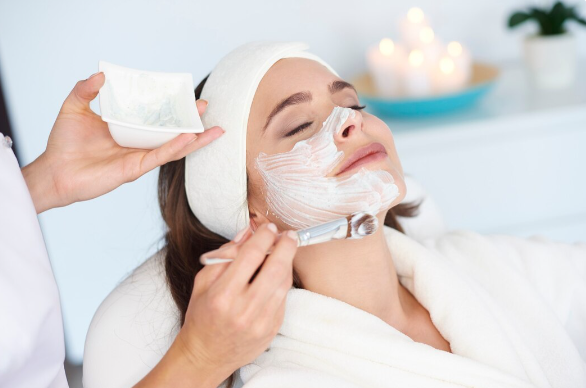
How Often Should You Get a Professional Facial Treatment?
In a world where skincare trends come and go, professional facials stand as a reliable foundation for achieving healthy, glowing skin. Contrary to the notion that facials are merely luxurious indulgences, these treatments offer tangible benefits that extend beyond surface-level aesthetics. A professional facial leverages specialized techniques and products to address various skin types and concerns, providing cleansing, exfoliation, and hydration, all while encouraging a robust skin health routine. This exploration into the frequency of professional facial treatments uncovers essential insights from dermatologists, estheticians, and skin health advocates, revealing how tailored skincare can enhance your natural beauty.
Understanding the Importance of Professional Facial Treatments
Professional facial treatments are designed to delve deeper than your everyday skincare regimen. By targeting underlying issues rather than just the skin’s surface, these treatments foster improved skin health and appearance. The process begins with a thorough assessment of your skin type and its unique needs, setting the stage for a customized treatment plan. Common techniques include deep cleansing, exfoliation, and the application of targeted serums that hydrate, rejuvenate, or address specific concerns such as acne or aging.
Moreover, regular facials facilitate increased blood circulation, leading to enhanced cell regeneration—an essential factor in maintaining youthful skin. As a result, clients often leave feeling refreshed, with an immediate boost in radiance. Studies have shown that regular treatments can help strengthen the skin barrier, allowing it to better resist external factors such as pollution and UV exposure, which can lead to premature aging and other skin dilemmas. When integrated into a comprehensive skincare plan, facials encourage lasting results.
The Real Benefits of Getting Regular Facials
The advantages of maintaining a routine of professional facials extend far beyond immediate cosmetic improvements. Regular treatments act as preventive measures, addressing skin concerns before they escalate. For instance, individuals with oily or acne-prone skin benefit from more frequent facials, ideally every two to three weeks. This routine helps regulate sebum production, actively preventing clogged pores, and minimizing breakouts.
On the other hand, those struggling with dry or sensitive skin may require less frequent sessions—every four to six weeks—focused primarily on hydration and calming treatments. These treatments utilize soothing ingredients that reinforce the skin barrier, thereby mitigating conditions like rosacea or general irritation.
Studies published in dermatological journals indicate that consistent professional care can lead to marked improvements in skin texture and tone, particularly when combined with a good at-home skincare routine. Specialized facials, especially those focusing on anti-aging techniques, use ingredients like antioxidants and peptides to stimulate collagen production, resulting in visibly firmer skin.
Dermatologist-Recommended Facial Frequency
Dermatologists generally agree that the optimal frequency for facial treatments should align with the skin’s natural renewal cycle, which tends to hover around 28 days. This timing promotes an effective balance, allowing for regular exfoliation while avoiding the risk of overstressing the skin. Yes, while the general guideline is every four to six weeks, individual skin types will dictate more precise scheduling:
- Oily or Acne-Prone Skin: Every 3–4 weeks to control congestion and prevent breakouts.
- Dry or Sensitive Skin: Every 6–8 weeks, permitting ample recovery time.
- Mature Skin: Every 4 weeks to stimulate collagen and elasticity.
Weather and lifestyle choices also play critical roles. Those inhabiting humid climates may find they require more frequent treatments to counteract increased oil production, while individuals in drier regions may focus more on hydrating facials. Regardless of external factors, the focus should always be on nurturing overall skin health rather than chasing fleeting improvements.
Understanding and navigating the myriad factors influencing your facial treatment frequency equips you with the knowledge needed to optimize your skin’s health. Every individual’s skin has its unique tale, and learning how to tailor your skincare routine appropriately can lead to stunning, lasting results. For additional resources on facial treatments, explore detailed guides available on professional skincare advice.


You May Also Like

Waxing: Advanced Techniques to Minimize Inflammation and Prevent Folliculitis

3 Simple Steps to Follow to Beat Winter Blues
