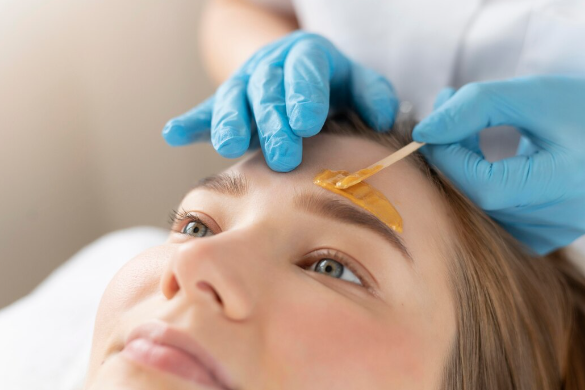
Facial Waxing After 40: What Estheticians Never Tell You
Facial waxing has become a staple in the beauty routines of many individuals, providing a quick and efficient method for hair removal. However, for those over 40, there are unique considerations and challenges that come into play. Aging skin can be more sensitive, leading individuals to question the best practices for waxing and aftercare. Even the most seasoned estheticians may overlook specific recommendations tailored for this demographic. Understanding how to navigate this process can empower individuals to maintain their desired appearance while prioritizing the health of their skin.
Understanding Aging Skin and Hair Removal Techniques
As we age, our skin undergoes various changes that affect its texture, elasticity, and overall sensitivity. Hormonal fluctuations contribute to thinner skin, which can react differently to hair removal techniques like waxing. When considering facial waxing, it’s vital to understand these changes to ensure a safe and effective experience.
Thinner skin, often accompanied by reduced collagen production, can lead to an increase in sensitivity. This means that while traditional waxing methods may have worked well in younger years, adjustments might be necessary after 40. Individuals may experience redness or irritation more readily, making it essential to select the right technique and product for hair removal.
Techniques such as strip waxing can be harsher on older skin, so opting for a softer, cream-based wax might prove less irritating. Additionally, estheticians often suggest patch testing, especially for first-time clients or those trying a new product, to gauge how the skin reacts. Prioritizing skin care post-waxing, including hydrating and calming products, can significantly enhance the experience.
Essential Waxing Tips for Sensitive Skin
When embarking on a facial waxing journey after 40, adopting specific techniques and tips can make a substantial difference. Below are several key strategies that can help mitigate discomfort and promote healthier skin:
- Consultation is Key: Prior to any waxing session, it’s crucial to discuss your skin type and concerns with the esthetician. A thorough consultation allows for personalized adjustments to the procedure.
- Choose the Right Wax: Cream waxes tend to be gentler on sensitive skin compared to traditional hard wax. They’re often less painful and can help diminish redness.
- Pre-Wax Care: Exfoliating the skin a day or two before can help minimize ingrown hairs and prepare the skin for the waxing process. Hydrating the skin in advance also ensures better results.
Additionally, using a soothing gel or aloe vera immediately after waxing can assist in calming any irritation. The effects of these products can help balance the skin’s condition and promote healing—something particularly important with aging skin.
Another effective strategy is to schedule waxing sessions during cooler months. Heat can exacerbate skin irritation, and avoiding the sun prior to and following a waxing session is advisable. Wearing protective clothing or applying sunscreen can further guard against any adverse effects that might arise from sun exposure post-waxing.
Post-Waxing Care: Nurturing Aging Skin
The moments following a facial waxing session are just as crucial as the preparation. Proper post-waxing care can greatly influence the skin’s recovery and overall appearance. Here are critical steps to consider:
- Stay Hydrated: Drinking plenty of water post-waxing helps in keeping the skin well-hydrated, promoting faster healing.
- Use Gentle Products: Avoid makeup and harsh cleansers for at least 24 hours after waxing to allow the skin to breathe. Instead, opt for products that are free from alcohol and fragrances.
- Apply Cold Compresses: If redness occurs, gently applying cold compresses can alleviate heat and soothe the skin’s surface.
Beyond immediate care, it’s beneficial to incorporate into your routine products rich in antioxidants and vitamins. For example, serums with vitamin E can repair and nourish the skin, augmenting its appearance over time. Regular moisturizing and employing sun protection measures can help prevent premature aging signs exacerbated by waxing.
Common Misconceptions About Facial Waxing After 40
There are numerous myths surrounding facial waxing that often leave individuals feeling hesitant about the procedure. Understanding the facts can provide clarity and confidence:
- Myth: Waxing Can Cause More Wrinkles: One common concern is that waxing can lead to increased wrinkles. In reality, when performed correctly and with gentle products, waxing itself doesn’t cause additional skin aging.
- Myth: Hair Grows Back Thicker: This is another misconception. Waxing actually removes hair from the root, and over time, it may grow back finer and sparser.
- Myth: It’s Too Painful: While sensitivity may increase after 40, the pain is often manageable with proper techniques and post-wax care tips.
Educating oneself on these misconceptions can eliminate fear and encourage a positive experience, leading to renewed confidence in one’s appearance. Discover AVA LASHES AND BROWS — beauty solutions for every age.


You May Also Like

Simple Yet Effective Tips to Take Care of Your Mental Health during a Pandemic

Key Advantages of Managed Long-Term Care