

Tax filing requirements depend on more than annual income: filing status, age, income sources, and eligibility for certain deductions or credits can all affect whether a federal return is required. For many individuals filing a 2025 return, the standard federal deadline falls on April 15, 2026, but extensions, state rules, and special circumstances can change the timetable.
Knowing which forms to gather and when payments are due can prevent avoidable stress. A return also gives eligible taxpayers a way to claim a refund or tax benefits, so understanding the rules matters even when filing is not mandatory. The details below focus on U.S. federal individual income tax; state and local obligations may differ.
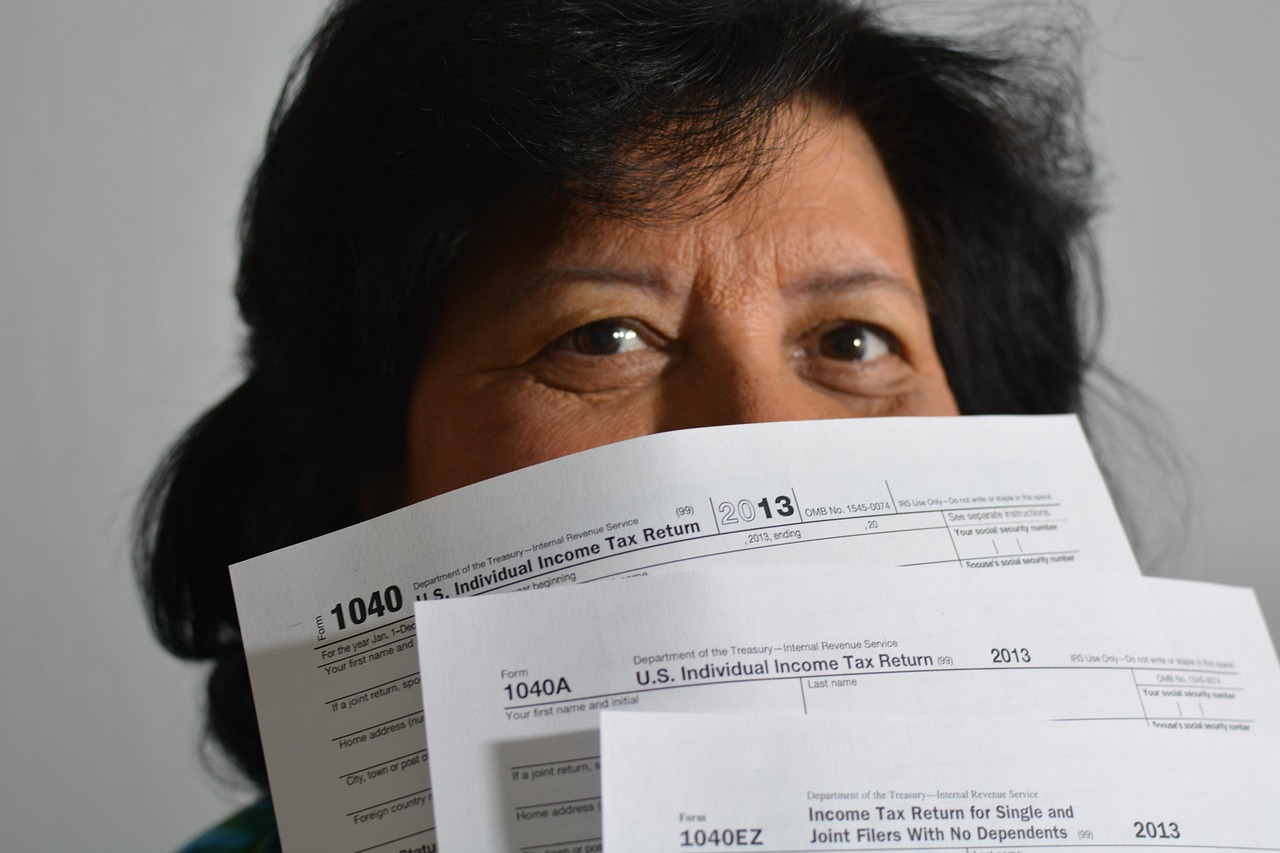
Tax filing requirements: who needs to file?
Whether a federal return is required generally depends on gross income, filing status, age, and whether someone can be claimed as a dependent. The income thresholds change with tax law and personal circumstances, so a figure that applies to one filer may not apply to another.
Income type matters, too. Self-employment income, certain retirement distributions, or taxes owed on particular transactions can trigger a filing obligation even when total income seems modest. A return may also be worthwhile when filing is optional: withholding or refundable tax credits could result in money being returned.
Before deciding not to file, check the current IRS instructions for the relevant tax year and consider both federal and state rules. Filing status is one of the first details to establish because it can affect the applicable income thresholds, deductions, and tax calculation.

Tax return deadlines and payment dates
For most calendar-year individuals, the deadline to file a 2025 federal income tax return is April 15, 2026. If that date falls on a weekend or legal holiday, or a taxpayer qualifies for special relief, the deadline may shift; state due dates can also differ.
A tax extension generally provides more time to submit the return, not more time to pay. Any expected balance is usually due by the original deadline, and unpaid amounts may accrue interest or penalties. People who make estimated tax payments should track each installment separately rather than treating the annual filing date as their only payment date.
The following dates outline the usual federal calendar for individuals. They are general reference points, so taxpayers should verify applicable IRS guidance and any state-specific schedule.
| Filing or payment item | Usual date | What to know |
|---|---|---|
| 2025 individual federal return | April 15, 2026 | File and pay any expected balance by the deadline. |
| Extended 2025 individual return | October 15, 2026 | An extension usually extends filing time, not payment time. |
| First 2026 estimated payment | April 15, 2026 | Generally applies to income earned from January through March. |
| Second 2026 estimated payment | June 15, 2026 | Generally applies to income earned during April and May. |
| Third 2026 estimated payment | September 15, 2026 | Generally applies to income earned from June through August. |
| Fourth 2026 estimated payment | January 15, 2027 | Generally applies to income earned from September through December. |
Tax forms and records to prepare
Gathering documents early makes it easier to report income accurately and support claims on a return. The precise tax forms depend on employment, investments, benefits, and other financial activity; missing paperwork can delay filing or lead to corrections later.
Common records to review include:
- Income statements, such as wage forms, interest statements, and records of contract or business income.
- Documents showing federal tax withheld or estimated tax payments already made.
- Receipts and records that support eligible tax deductions or tax credits.
- Prior-year returns and personal details needed to identify dependents and confirm filing status.
Keep supporting records in an organized, secure place, even if they are not submitted with the return. Clear documentation helps substantiate figures if a return is questioned and makes next year’s preparation more straightforward.
Tax deductions, credits, and filing choices
Tax deductions and tax credits reduce tax in different ways. A deduction generally reduces the income subject to tax, while a credit reduces the tax owed; some credits may be refundable, meaning they can contribute to a refund even when tax liability is low.
Taxpayers may compare the standard deduction with itemized deductions, where permitted, and should check eligibility requirements before claiming either. Filing status also affects which rules apply. The right choice depends on current law and personal details, not simply on which option sounds more favorable.
For people with income that is not subject to sufficient withholding, estimated tax payments may help meet obligations throughout the year. This can apply to self-employment earnings, investment income, or other sources. Reviewing income periodically helps reduce the chance of an unexpectedly large balance at filing time.
Tax filing penalties and practical safeguards
Missing a filing deadline can lead to late filing penalties when tax is owed, while unpaid tax may bring separate penalties and interest. The amount and application depend on the circumstances, so filing promptly—even if full payment is difficult—can help limit additional consequences. Contacting the tax authority or a qualified tax professional can clarify available options.
A short review before submission can catch common oversights. Confirm that the return is complete, income documents are accounted for, and payment details are correct; then save a copy of the return and confirmation of filing.
- Check that every required income source has been reported.
- Verify filing status, dependent information, and supporting records.
- Confirm the filing deadline and payment schedule for each relevant jurisdiction.
- Review whether an extension or estimated payment is needed before the due date.
When income is complex, deadlines have been missed, or eligibility is unclear, a tax professional can provide guidance tailored to the situation and help determine the next steps.