In the ever-evolving world of aesthetic medicine, dermal fillers have emerged as one of the most sought-after options for achieving youthful and sculpted looks without the need for invasive surgeries. Among them, hyaluronic acid (HA) stands out for its effectiveness in facial contouring and overall skin rejuvenation. As more individuals seek personalized solutions to address signs of aging, understanding how these fillers work can significantly alter the choices made by both practitioners and patients. This article delves into the nature of dermal fillers, the various types available today, and the specific characteristics of hyaluronic acid that cement its status as a go-to option for aesthetic treatments.
The Fundamentals of Dermal Fillers
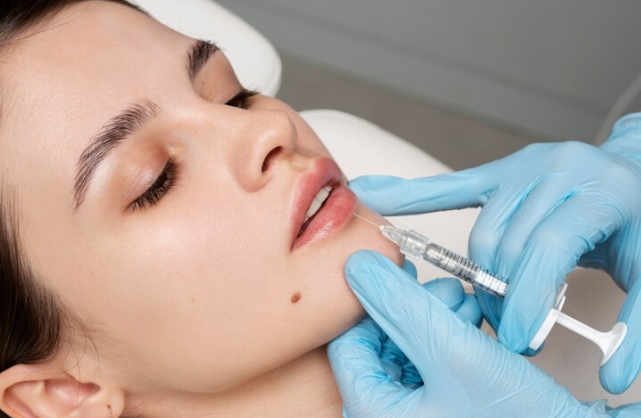
Dermal fillers are injectable treatments designed to restore volume, smooth wrinkles, and enhance facial features. Their primary role is to replenish what the skin loses over time—hydration, collagen, and structural support. This restoration process facilitates not only cosmetic enhancement but also functional improvement in facial aesthetics.
The versatility of dermal fillers has made them an essential tool in both aesthetic medicine and anti-aging skincare. They can provide immediate results, allowing individuals to achieve a youthful appearance with minimal downtime. This feature is particularly appealing, as it enables patients to resume their daily routines shortly after treatment.
Recognition of dermal fillers extends beyond just facial applications; certain formulations are also approved for body contouring. These include enhancements of the buttocks, correction of hip dips, and rejuvenation of the hands. The growing demand for these treatments emphasizes the versatility and efficacy of injectable options for aesthetic enhancements.
How Dermal Fillers Work
The science behind dermal fillers involves understanding how they are integrated into the skin. The injectables work by creating structural support within the subcutaneous layer, thus enhancing the overall appearance of the skin. Upon injection, they stimulate collagen production, leading to long-lasting enhancements. The body’s response to the fillers helps to improve elasticity and hydration, creating a youthful glow.
A crucial aspect of choosing the right dermal filler lies in understanding its composition. As these products vary in terms of materials, some fillers are designed for specific areas and objectives. For instance, hyaluronic acid fillers are renowned for their natural integration into the skin, allowing for seamless results that enhance natural features.
Exploring Types of Dermal Fillers
While dermal fillers can effectively improve various aspects of facial aesthetics, the bulk of them fall into distinct categories based on their composition, longevity, and application area. Understanding these types can help consumers make informed decisions.
- Hyaluronic Acid (HA) Fillers: These are naturally occurring substances in the body, particularly in the skin. They provide hydration and support volume, making them ideal for areas like the lips or cheeks. Most HA fillers last between six to twelve months.
- Calcium Hydroxylapatite (CaHA): A thicker filler used for deeper lines and structural contouring. CaHA is known for stimulating collagen production but is not reversible.
- Poly-L-Lactic Acid (PLLA): This type gradually stimulates collagen growth, making it suitable for larger areas. Results appear over weeks and can last up to two years.
- Polymethylmethacrylate (PMMA): A semi-permanent filler that serves as a scaffold for collagen development. While effective for deeper wrinkles, its longevity can pose risks for adjustments.
- Autologous Fillers: These are derived from the patient’s own fat, providing a natural fill. However, they require surgical procedures to harvest fat, making them less popular compared to injectables.
Why Hyaluronic Acid is a Popular Choice
Among the various types of dermal fillers, hyaluronic acid continues to reign as a fan favorite. Its biocompatibility ensures a smooth integration into the skin, delivering natural results. Hyaluronic acid is also hydrophilic, meaning it attracts moisture, making it particularly effective in enhancing skin hydration.
One significant advantage of HA fillers is their reversibility. In cases where patients are not satisfied with the results, a specialized enzyme can dissolve the filler. This safety net makes HA fillers a top choice for many patients, especially those new to aesthetic treatments.
Furthermore, the flexibility of HA allows for tailored treatments—whether patients desire a subtle enhancement of the lips or dramatic contouring of the cheeks. Its adaptability is accompanied by a high safety profile, making it the first-line choice for practitioners.
The Future of Dermal Fillers in Aesthetic Medicine
As we move further into the future of aesthetic medicine, dermal fillers are expected to evolve significantly. With technology continuously advancing, practitioners and researchers are exploring enhanced formulations designed to deliver longer-lasting results while minimizing risks. Studies are being conducted to better understand the rheological properties of these fillers which will enable tailored applications for various facial structures.
One exciting innovation emerging is the hybrid dermal filler. By combining traditional ingredients with newer biostimulating agents, these fillers can provide immediate volume enhancement while also promoting long-term collagen stimulation. As options like this develop, they promise to expand the repertoire of available injectables for both practitioners and clients.
Through understanding the landscape of dermal fillers, patients can make informed decisions that maximize both aesthetic and health outcomes. Whether you are seeking to enhance your natural features or combat the signs of aging, the vast array of options ensures that there is a fitting solution for everyone. For a more comprehensive overview of non-surgical enhancements, check out this resource that offers insights into safe and effective volume enhancement techniques.