In the ever-evolving landscape of hair color, achieving the perfect shade while minimizing damage has become a priority for both consumers and professionals. With advancements in science and technology, today’s hair coloring techniques not only beautify but also prioritize hair health. Understanding the complexities of hair structure, the effects of various chemicals, and implementing practical care routines can significantly extend the life of color-treated locks while ensuring they remain healthy and vibrant. This guide delves into essential strategies for achieving beautiful hair color with minimal damage, highlighting both the art and science behind hair coloring.
The Fundamentals of Hair Structure and Coloring
Before diving into color techniques, it’s crucial to grasp the foundational aspects of hair structure. Each strand consists of three primary layers: the cuticle, cortex, and medulla. The cuticle acts as a protective barrier, akin to the shingles on a roof, safeguarding the inner layers from environmental stressors and chemical treatments. Coloring processes disrupt this structure by opening the cuticle, enabling color molecules to penetrate the cortex, where hair’s natural pigments reside.
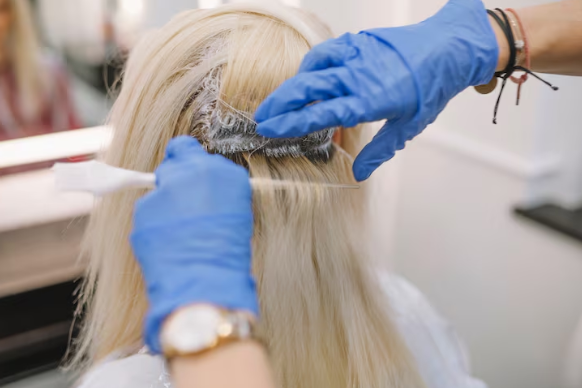
When a hair dye is applied, it often contains alkaline agents such as ammonia or ethanolamine, which cause the cuticle to swell. This swelling allows color molecules to infiltrate deeply but can also lead to moisture loss and increased porosity, making hair more susceptible to damage. For a sustainable approach to coloring, modern formulations are now incorporating bond-building agents and conditioning ingredients that help minimize structural changes during color application. These innovations are vital in addressing long-lasting effects and the inherent fragility of color-treated hair.

The Chemistry Behind Hair Coloring Techniques
Understanding the chemistry involved in hair coloring is instrumental in choosing the right technique. There are several categories of hair color: temporary, semi-permanent, demi-permanent, and permanent, each varying in their chemical compositions and effectiveness.
- Temporary Color: These dyes simply coat the hair’s surface and wash out in a few shampoos, making them ideal for those looking to experiment without a long-term commitment. However, they do not penetrate the hair shaft significantly, thus posing minimal damage.
- Semi-Permanent Color: These formulations include smaller color molecules that partially penetrate the cuticle. They offer a transient solution for enhancing natural color or blending grays without harsh chemicals like ammonia.
- Demi-Permanent Color: A compromise, demi-permanent dyes use a mild peroxide developer that lifts the cuticle slightly to deposit color more effectively. They are excellent for those seeking gray coverage without substantial structural damage.
- Permanent Color: Utilizing the most potent chemical reactions, permanent color alters the hair’s structure to allow for deep penetration of pigment. While offering the most lasting effects, permanent color also leads to significant changes in the hair’s integrity, necessitating rigorous aftercare.
Understanding the differences among these options enables consumers to make informed choices tailored to their hair’s condition and their desired results, ensuring they opt for methods that prioritize damage prevention.
Effective Techniques for Damage Prevention in Color-Treated Hair
Preventing damage to color-treated hair involves a multifaceted approach encompassing pre-treatment care, aftercare, and maintenance strategies. Let’s explore these techniques in detail.
Pre-Treatment Care Practices
Preparing your hair before coloring is crucial in ensuring that the process minimizes damage. One effective method is hair oiling, which involves applying natural oils like coconut or argan to create a protective barrier. These oils nourish the hair and help mitigate potential damage during the coloring process.
Consider also utilizing conditioning treatments prior to coloring. Products enriched with bond-building technology hydrate and fortify the hair, providing a resilient foundation for coloring. Timing these treatments properly—ideally a couple of days before the actual color application—enhances their effectiveness.
Daily Hair Care Routines
Once the hair is colored, maintaining its health becomes a priority. Utilizing sulfate-free shampoos is essential, as these formulations prevent excess stripping of natural oils while preserving color vibrancy. Coupled with gentle techniques, such as co-washing or using low-sulfate cleansing conditioners, you can retain moisture and color integrity.
Daily routines should also involve deep conditioning treatments at least once a week. These treatments not only replenish moisture but also rebuild any damaged protein structures, ensuring the hair remains resilient against environmental stressors and color fading. Avoid using hot water during washes, as it can open the cuticle excessively, leading to color loss.
Looking for professional-grade color-safe shampoos, bond-building treatments, and expert hair care products designed to protect and extend your color? Contact Xtasis Beauty & Hair Extension Center.