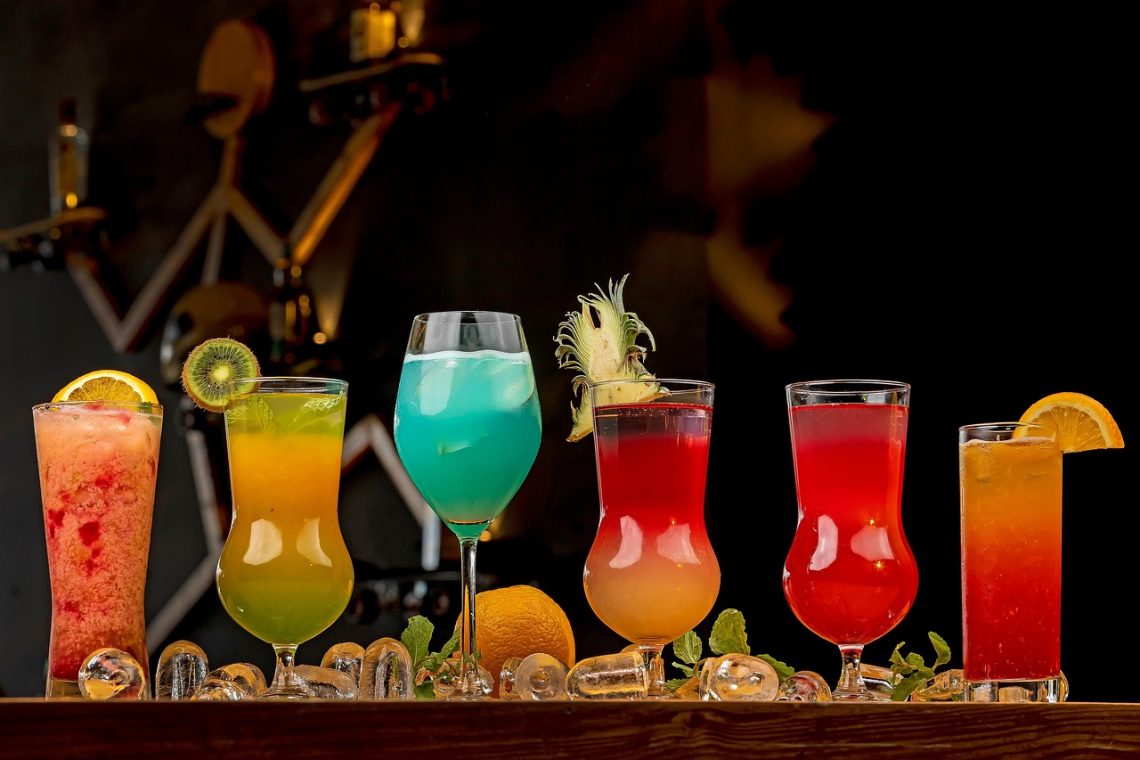
Cocktails: Advanced Flavor Pairing Principles for Balanced Mixology
In the world of cocktails, where creativity meets science, mastering the art of flavor pairing is essential for anyone looking to elevate their mixology skills. The burgeoning interest in craft cocktails has led bartenders and enthusiasts alike to explore unconventional ingredients that bring depth and complexity to their drinks. This quest for unique flavor combinations calls for an understanding of ingredient synergy, where flavors interact harmoniously to create memorable sensory experiences. With trends continuously evolving, it is imperative for mixologists to stay ahead of the curve and embrace advanced techniques that push the boundaries of traditional cocktail crafting.
Understanding the Architecture of Taste
Before shaking or stirring, a mixologist must grasp the five primary tastes: sweet, sour, salty, bitter, and umami. However, advanced mixology takes this a step further by utilizing bridge flavors. A bridge flavor is an ingredient that shares chemical compounds with two otherwise disparate elements, acting as a “handshake” between them.
For instance, consider the pairing of grapefruit and rosemary. While one is a sharp citrus and the other a woody herb, they share the terpene limonene, which creates a seamless transition on the tongue.
The Core Pillars of Balance
| Element | Function in a Cocktail | Common Advanced Agents |
| Acid | Provides structure and “brightness.” | Verjus, lactart, citric acid solutions. |
| Sugar | Adds body and tempers sharp edges. | Oleo saccharum, agave nectar, honey water. |
| Bitters | Adds length and complexity to the finish. | Gentian, cinchona bark, walnut tinctures. |
| Salt | Suppresses bitterness and enhances sweetness. | Saline solution (20% concentration). |
Leveraging Aromatic Complexity in Drink Design
We taste mostly with our noses. Research suggests that up to 80% of what we perceive as “flavor” is actually retronasal olfaction. This is why advanced pairing often focuses on aromatic profiles rather than liquid volume.
Using herbs like Thai basil instead of traditional sweet basil can pivot a drink from Mediterranean to Southeast Asian profiles instantly. The secret lies in the volatile compounds. When you slap a mint sprig before garnishing, you aren’t just being theatrical; you are rupturing the capillaries of the leaf to release essential oils that will meet the drinker’s nose before the liquid hits their lips.
The Power of Contrast and Congruence
There are two schools of thought when pairing flavors: Congruent Pairing (matching similar profiles) and Contrast Pairing (balancing opposites).
-
Congruent Pairing: Think of a dark, aged spirit paired with smoked maple syrup and toasted pecans. All these ingredients share deep, caramelized, and woody notes. They reinforce each other to create a singular, powerful direction.
-
Contrast Pairing: This is the “sweet and salty” of the bar world. A spicy chili infusion paired with a cooling pineapple shrub creates a tug-of-war on the palate that keeps the drinker engaged. The heat of the capsaicin is sliced through by the sharp acetic acid of the shrub.
Utilizing Modern Techniques for Texture and Mouthfeel
A cocktail is a multisensory experience, and the “weight” of the drink is just as vital as the flavor. Advanced mixology often employs fat-washing or clarification to manipulate texture.
-
Fat-Washing: Infusing a spirit with a lipid (like coconut oil or browned butter) and then freezing it to skim off the solids. This leaves the spirit with a silky, velvety mouthfeel without making it greasy.
-
Milk Punch Clarification: Using the proteins in milk to curd and filter out tannins and solids. The result is a crystal-clear liquid with a surprising, creamy weight on the palate.
“A great cocktail should be a journey, not a destination. It should evolve in the glass as the dilution changes and the temperature rises.”
Salt: The Hidden Catalyst of the Modern Bar
If your drink feels “flat” or one-dimensional, the missing link is likely salt. While we don’t want a “salty” drink (unless it’s a Margarita), a few drops of a saline solution act as a magnifying glass for other flavors. Salt inhibits the perception of bitterness, which in turn allows the floral and fruity notes of your base spirit to sing. It is the “secret sauce” that rounds out the corners of a complex botanical gin or a smoky mezcal.
Refining the Finish with Botanical Depth
The “finish” is the lingering taste after a sip. To extend this, mixologists look toward tinctures and essences. By using high-proof neutral spirits to extract the soul of ingredients like pink peppercorn, cardamom, or even leather, you can add a “ghost note” to a cocktail—a flavor that isn’t immediately identifiable but adds an inexplicable depth.
As you move forward in your mixology journey, remember that the best tools aren’t just your jiggers and shakers, but your curiosity and your willingness to experiment with the unexpected.
To elevate your home bar or professional establishment with the finest tools and ingredients for these advanced techniques, explore the premium collection at Flying Pig Cafe.


You May Also Like

The Ridiculously Thorough Guide to Coming Out
Curl Cream Ingredients to Avoid for Low-Porosity Hair