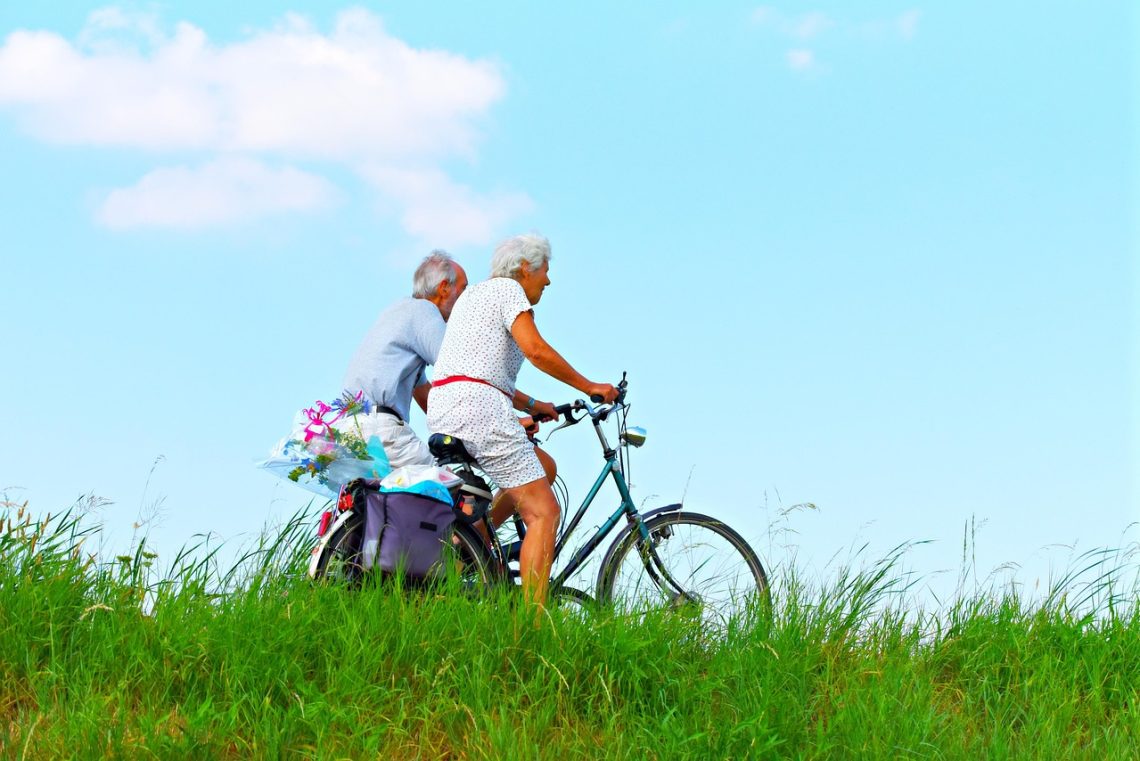
Elderly Recreational Activities: Designing Programs to Enhance Mental Well-Being
The pursuit of enhanced mental well-being among the elderly has emerged as a pivotal focus in contemporary recreational program design. As the global population ages, there exists an increasing need to ensure that senior individuals lead fulfilling and socially engaged lives. Recreational activities play a crucial role in promoting cognitive stimulation, physical fitness, and emotional wellness, allowing older adults to combat the challenges posed by age-related decline. Incorporating diverse age-friendly programs enables seniors to nurture their mental health, build social connections, and maintain an active lifestyle, making the essence of their late years more vibrant and meaningful. Through collaborative efforts from communities, family members, and gerontologists, customized recreational initiatives can significantly improve the mental well-being of the elderly. These initiatives not only focus on physical engagement but also weave together elements that promote cultural enrichment, social interaction, and cognitive challenges, laying the groundwork for positive aging narratives.
Understanding Mental Well-Being in the Elderly
Mental well-being encompasses emotional, psychological, and social aspects that influence how individuals think, feel, and act. For the elderly, maintaining such well-being is essential, as it directly impacts their overall quality of life. Mental health issues, such as depression and anxiety, tend to be more prevalent among seniors, often exacerbated by factors such as loneliness, physical health problems, and cognitive decline.
One of the key contributors to mental well-being is social engagement. Seniors often face social isolation due to the loss of spouses, friends, or decreased mobility. Engaging in recreational activities fosters a sense of community, combating feelings of loneliness and depression. Programs specifically designed to enhance interactivity—like group art classes, book clubs, or team sports—create bonds between participants, encouraging communication and collaboration.
Additionally, recreational activities also provide essential cognitive stimulation. Engaging in challenging tasks, such as puzzles, games, or learning new skills, helps to maintain mental acuity and can even slow cognitive decline. For instance, programs incorporating memory games can significantly help seniors in maintaining their cognitive health. Activities tailored to provoke thought, stimulate memory retention, and encourage problem-solving play a vital role in empowering the elderly to take control of their mental health.
The Role of Physical Activity in Mental Health
Physical activity is a cornerstone of any effective recreational program aimed at seniors. Regular physical exercise contributes substantially to mental well-being by reducing symptoms of anxiety and depression, improving mood, and fostering better sleep. For those in the elderly demographic, schedules that include various forms of physical activities—like yoga, tai chi, or gentle aerobics—play an important role in maintaining both physical and mental health.
Moreover, participating in physical activities can instill a sense of accomplishment among older adults. Setting and achieving fitness goals can enhance self-esteem, offering a significant boost to overall emotional wellness. Programs designed to gradually increase physical challenge levels ensure that all participants, regardless of their fitness stage, can engage safely and enjoyably.
Incorporating elements of fun—like dance classes or walking clubs—further enhances the attractiveness of physical engagement, ensuring that it remains appealing and motivating. This environment reduces the pressure often associated with maintaining fitness, enabling seniors to enjoy exercise as a rewarding pastime rather than a chore.
Designing Age-Friendly Programs
The design of recreational programs for the elderly requires careful consideration of their unique needs and preferences. Factors influencing program structure include cognitive abilities, mobility issues, and prior recreational interests. A successful program should offer a combination of cognitive stimulation, physical engagement, and social interaction.
To effectively cater to the elderly population, programs must incorporate flexibility. For instance, providing options for differing skill levels allows seniors to engage without feeling overwhelmed. Group classes that allow for various participation levels help ensure that each individual can join without the fear of falling behind. For a personalized approach to senior engagement and lifestyle management, look no further than the comprehensive services offered by Abby’s Adult Day Care Inc..


You May Also Like

Affordable dentures: options, costs, and what to expect

Top 10 Hot Drinks to Warm You Up This Winter