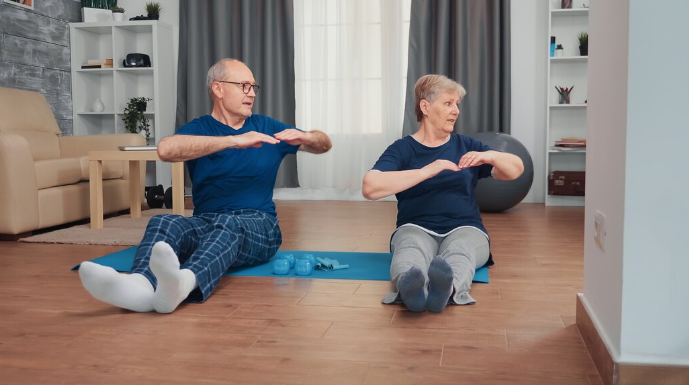
Low-Impact Exercises for Seniors That Protect Joints Over Time
As individuals age, maintaining mobility and health becomes increasingly important. Engaging in physical activity can significantly enhance quality of life, especially for seniors. Low-impact exercises, in particular, provide a perfect blend of safety and effectiveness. They not only protect joints but also promote overall well-being. With profound benefits including improved strength, flexibility, and balance training, these gentle workouts facilitate arthritis prevention and foster lasting fitness habits. This article will explore various types of low-impact exercises that seniors can comfortably integrate into their routine, all while focusing on joint protection and mobility enhancement.
Understanding Low-Impact Exercises
Low-impact exercises refer to physical activities that minimize stress on the joints while still encouraging cardiovascular health and muscular strength. These exercises feature smooth, controlled movements that avoid abrupt actions, making them particularly suitable for seniors, especially those experiencing joint pain or mobility limitations.
Unlike their high-impact counterparts, low-impact exercises such as walking, swimming, and cycling enable individuals to stay active without the risk of injury associated with jumping or heavy lifting. Moreover, many of these exercises can be performed seated, making them both versatile and accessible. Studies have shown that low-impact physical activity promotes heart health, enhances flexibility, and supports mental wellness by reducing symptoms of depression and anxiety.
Additionally, engaging in regular low-impact workouts can instill a sense of confidence and independence in seniors. As they become more accustomed to movement, they experience improvements in daily activities, from climbing stairs to participating in social events.
Benefits of Low-Impact Exercises
The positive impact of low-impact exercises on seniors’ health cannot be overstated. Here are key benefits associated with this gentle form of physical activity:
- Joint Protection: Low-impact workouts limit pressure and wear on the joints, ensuring longevity in mobility. Activities like water aerobics and yoga provide skeletal support while promoting muscular strength.
- Improved Balance: Regularly practicing low-impact exercises improves balance and coordination, which is crucial in fall prevention. Studies reveal that one in four seniors experience falls annually, often leading to severe injuries.
- Mood Enhancement: Engaging in physical activity releases endorphins that boost mood and reduce feelings of isolation. Whether it’s dancing or gentle yoga, low-impact exercises create a sense of community and support among participants.
- Maintained Muscle Mass: Age-related muscle loss is a common concern. Low-impact strength training activities, such as using resistance bands or light weights, help seniors maintain essential muscle mass for daily tasks.
Top Low-Impact Exercises for Seniors
To better understand how to incorporate low-impact exercises into daily routines, here are some of the most effective practices:
| Exercise | Description | Benefits |
|---|---|---|
| Walking | A straightforward, accessible exercise that can be done anywhere. | Improves cardiovascular health and maintains bone density. |
| Swimming | A full-body workout taking advantage of water resistance to ease joint pressure. | Enhances muscular strength and cardiovascular endurance. |
| Yoga | Gentle stretching and balance activities that can be performed seated. | Promotes flexibility, balance training, and relaxation. |
| Tai Chi | A slow, continuous movement practice emphasizing balance and mindfulness. | Reduces stress and improves coordination and balance. |
| Cycling | Using a stationary bike, cycling can be adjusted for comfort. | Strengthens leg muscles with minimal joint impact. |
Implementing Low-Impact Exercises Into Daily Routines
Incorporating low-impact exercises into a routine doesn’t need to be complicated. Here are effective strategies to make it happen:
First, plan short sessions of about 10 to 15 minutes that gradually increase as comfort level and strength improve. Seniors can start their week with a gentle walk followed by a yoga session the next day. Mixing various exercises not only keeps routines engaging but also targets different muscle groups.
It’s also essential to select a safe and comfortable environment. Outdoor parks, community centers, or even living rooms can serve as effective spaces for exercise. Furthermore, social classes like water aerobics or community dance sessions not only encourage physical activity but also provide the joys of social engagement.
Providing support through family or friends can motivate seniors to stay active. Consider initiating a walking club or joining a local exercise class together. Creating a shared commitment can turn workouts into enjoyable social activities.
Safety Tips for Seniors When Exercising
While exercise is vital for health, safety should always come first. Here are crucial safety tips to follow:
- Consult with a healthcare provider to determine appropriate exercises tailored to individual needs.
- Start slow and ease into new routines while listening to the body. It’s essential to take breaks when necessary.
- Use proper footwear that offers support and traction, minimizing the risk of falls.
- Stay hydrated, especially during physical activity.
- Choose clear and uncluttered spaces for exercise to prevent accidents.
Consider the benefits of low-impact activities beyond simple fitness; they foster independence and bolster social connections. It’s never too late to begin a journey towards improved health through engaging, accessible, and safe fitness practices.
Looking for guided low-impact programs, personalized plans, and wellness tracking tools designed for seniors?
Discover Blue Star Adult Daycare Center Inc..


You May Also Like

Am I A Nymphomaniac or Do I Just Love Sex?

The Psychology of Body Dysmorphic Disorder